
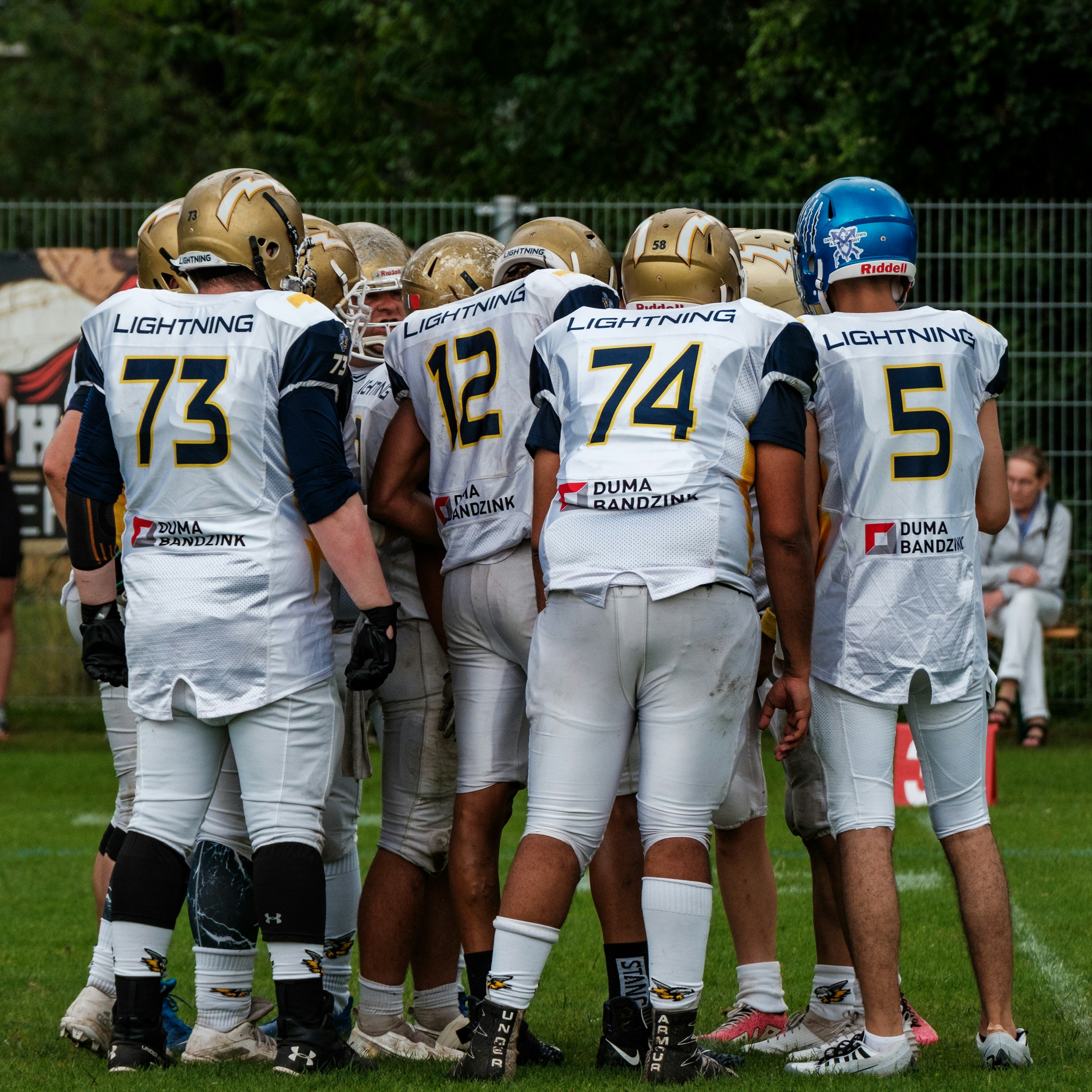






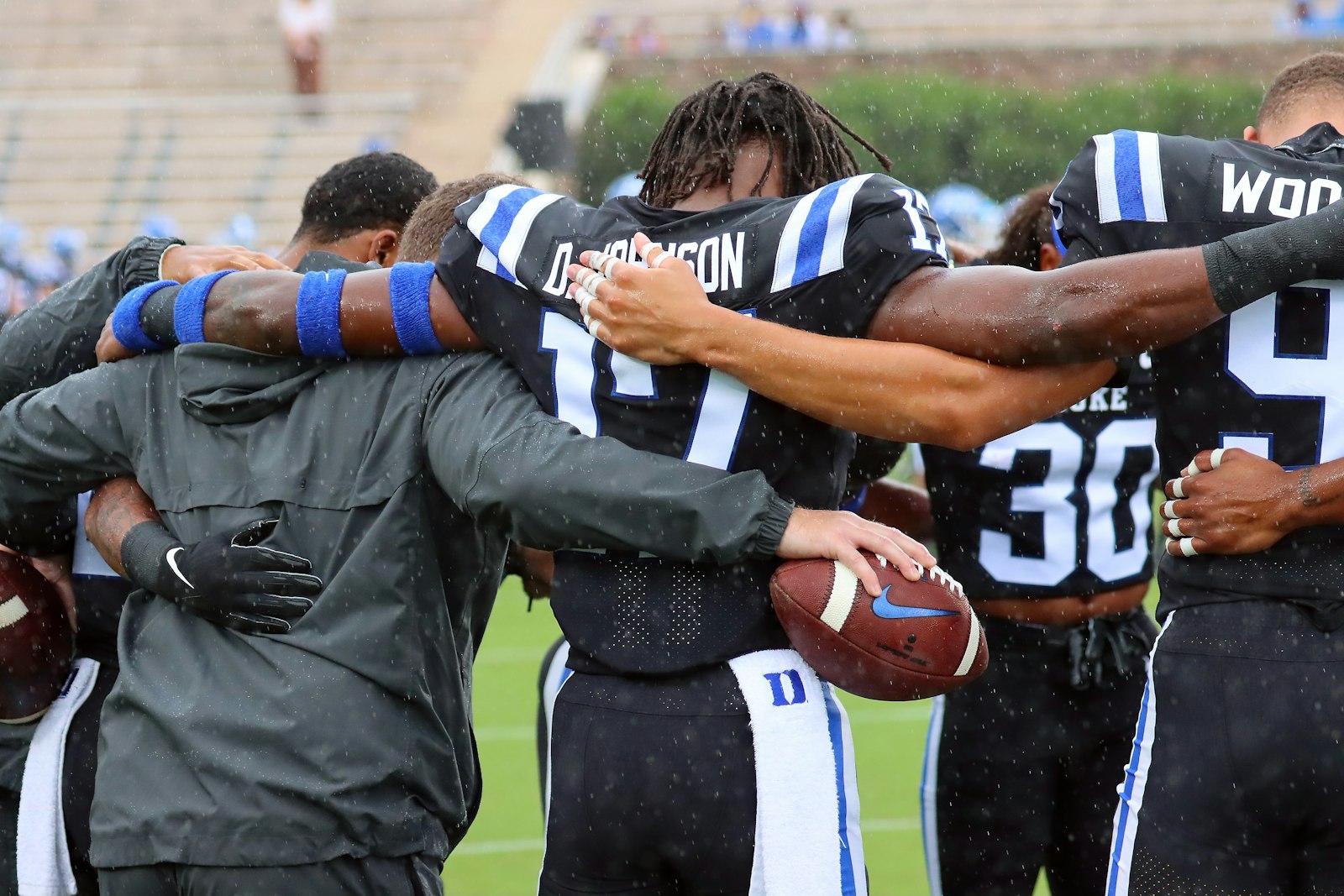

The Engine of Performance
Four behavioral roles. One integrated picture. Every person brings a primary role to the team, whether they know it or not.
The Driver
takes the wheel
The Driver decides to move. They provide the vision, the urgency, and the command to push forward when everyone else is still thinking about it. On a high-stakes team, that willingness to commit and go is worth more than any playbook.
Every leader needs one. Find out where yours stand.
The Ignition
sparks the room
The Ignition powers the engine. They generate the energy, the buy-in, and the momentum that gets an entire group moving in the same direction. Without Ignition, even the best strategy sits on paper.
Every leader needs one. Find out where yours stand.
The Stabilizer
steadies the ride
The Stabilizer absorbs the bumps. They provide the consistency, the support, and the resilience that keeps the team intact when conditions get rough. In crunch time, the Stabilizer is the reason the team does not fall apart.
Every leader needs one. Find out where yours stand.
The Compass
keeps the course
The Compass keeps the route. They provide the precision, the analysis, and the standard of excellence that ensures the team actually arrives where it intended to go. Speed without a Compass is just organized chaos.
Every leader needs one. Find out where yours stand.
Most assessments stop here
Then SerSi OS keeps reading
Your role tells a leader how you move. The Big Five tells them why. Across five dimensions the science actually trusts, SerSi OS gives coaches and leaders the full human picture in plain language any athlete, employee, or person can understand. No psychology degree required.
The dimension most tools skip over is the one that shows up loudest when everything is on the line: how steady someone stays under real pressure. That is the one SerSi OS names clearly, so a leader knows who to lean on and who needs support before the moment arrives.
The part nobody expects
SerSi OS flags the people most likely to walk before they ever say a word, so a leader can have a real conversation instead of a surprise exit. Good people stay when they feel seen first.
What the Big 5 measures
A manager drives about 70 percent of a team's engagement. The leader sets the weather, so the leader should know their people.
Across decades of workplace research, conscientiousness is the most consistent personality predictor of job performance. Personality shows up in results.
Replacing one person can cost half to twice their annual pay. Knowing who is about to walk, before they do, pays for itself.
Sources: Gallup State of the American Manager (70% engagement); meta-analytic research in personality psychology, incl. Barrick & Mount 1991 (#1 predictor); Gallup/SHRM (replacement cost range).

How it works
Take the assessment
About 7 minutes. Plain language, no jargon. You get your SerSi OS role and the science behind it, explained in terms anyone can read and use.
See the picture
Your profile, your team's behavioral makeup, who fits where, and who may be quietly at risk. One place, one view, no spreadsheet required.
Lead and recruit
Communicate better, keep your people, and bring in the ones who fit what you are missing. Every future hire checked against your real team.
This is what a leader sees
One dashboard. Every person on your team mapped by role, energy, and risk. No guessing, no gut-check required.
Team Map
Sample Athletics, 9 members assessed
Jordan M.
The Driver
takes the wheel
Retention signal
2 members showing early disengagement patterns. Consider a check-in this week.
All names and data above are sample demo data. Not affiliated with any real organization.
Cost of turnover calculator & roster retention tool
The cost of employee turnover is one of the most underestimated numbers in any organization — most leaders have never actually calculated how much it costs to lose an employee, let alone the employee retention ROI of keeping one. The same math plays out in sports: roster continuity and returning production shape a season before it starts, and the data increasingly answers the question "does keeping your players win championships?" with a yes. Pick your world below and run your own numbers.
What losing good people actually costs
Your inputs
Estimated results
People lost / year
7
Estimated annual cost
$420,000
Estimated savings
At this size, turnover costs an estimated $420,000 a year. Improving retention by 25% could save $105,000.
Replacement cost range sourced from Gallup State of the American Manager and SHRM research.
Bring SerSi into the tools you already use
Your team's behavioral insight, living inside ChatGPT, Claude, Gemini, and more through a secure connection, so you get straight answers about your people right in the chat.
These connections are planned, not available today. Nothing above represents a live integration, and no data is shared with any third-party AI platform yet.
Be a Founding Member.
SerSi OS is just getting started — and the first people in help shape it. Founding members get early access, a founding-member badge on their profile, a say in what we build next, and locked-in early pricing.
Founding class forming
Your data is yours, never sold
Encrypted in transit and at rest
Guardian consent for anyone under 18
Permission-gated across organizations
Why we built this
I've spent years watching good people lose team members that they should have kept — not because the talent wasn't there, but because no one understood how they were wired. Being understood is the difference. SerSi OS is the tool I wish I'd had: a way to truly know your people, starting with yourself.
— Trae Cunningham, Founder of SerSi OS
Frequently asked questions
The questions we hear most from coaches, leaders, and the people about to take their assessment.
A behavioral assessment is a short, structured set of questions that shows how someone naturally operates: how they communicate, make decisions, handle pressure, and work with other people. SerSi OS combines DISC and Big Five personality assessment with Enneagram and love language, so a coach or leader gets the full behavioral picture in one place instead of piecing it together from four different tools.